⛺️The Secret Weapon of Leaders (It Fits on an Index Card)
[Founder's Note: Okay, do this right now, go to your phone- open the app store- type in to-do list. A huge list of to-do list apps will pop up. That's how fundamental it is to make a list of items to be worked on in any profession. There are even books written on it, like Getting Things Done by David Allen, and we even run workshops on them. But to ensure those tasks are done with precision and high quality, one needs a checklist. This piece talks about the secret weapon every leader must have- a checklist. Inspired by "The Checklist Manifesto" by Atul Gawande.]
This piece was published for ARC's Leadership Campfire on 21st of Jan 2025]
Also, if you have the time, please fill out this short feedback form to let us know how we're doing. Link here.
— Adi Raheja
One Thing to Learn
The day was 30th October, 1935. Boeing Corporation, an airplane manufacturing company, was competing with their Model 299 to build the military’s next-generation bomber for the US Army Corps.
One of a kind, the 299 could carry 5 times as many bombs as the army required and had the ability for twice the range of any other bomber to date.
During the test flight, as one could hope for, the plane took off quite smoothly and steadily climbed three hundred feet in the air. But then tragedy struck, the 299 turned on one of its wings and came crashing towards the ground to end up in flames.
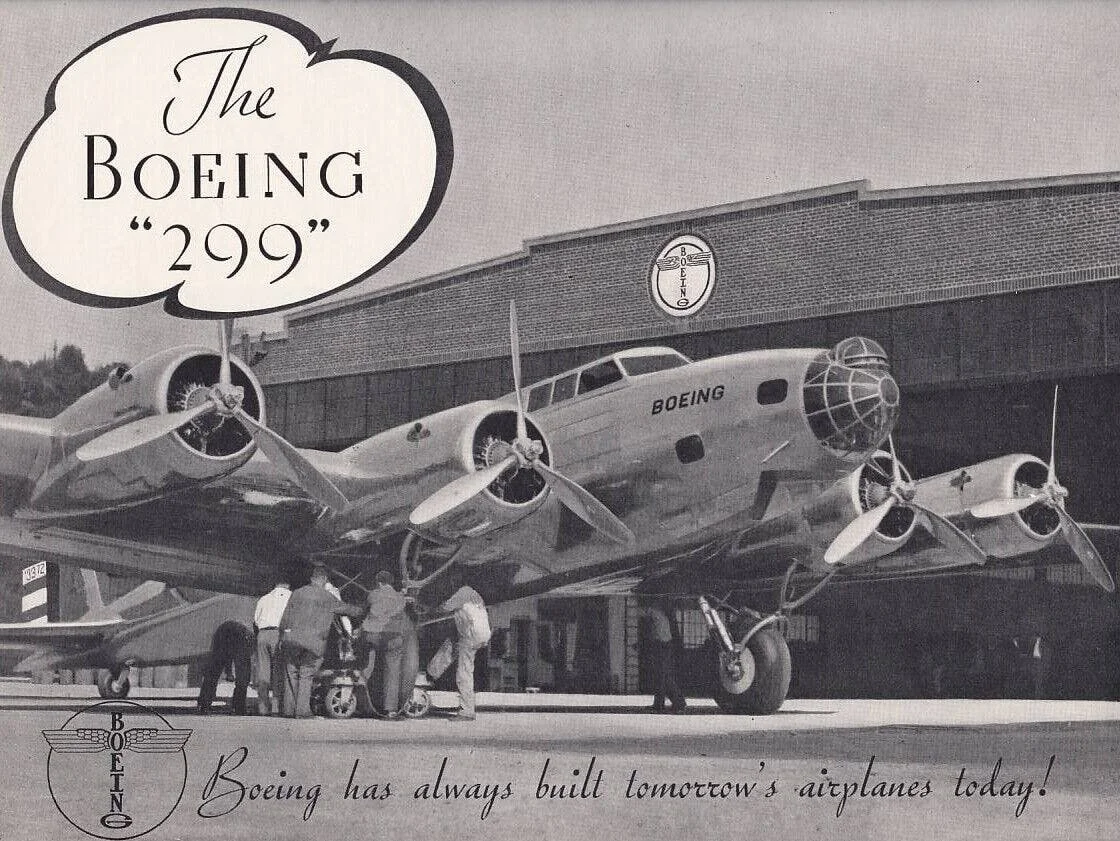
Further investigation revealed that, with no mechanical errors, the downfall could only be attributed to “pilot error”. It was later discovered that Major Hill had missed out on releasing the locking mechanism amidst all the complicated tasks required for the Model 299 - or as one newspaper called it:
"Too much aeroplane for one man to fly”.
Was there any way the pilot error could have been avoided?
Can we prevent our Model 299s from crashing at our workplace and personal lives?
In a simple word - yes. For details on how continue reading :)
In a more complex way - let’s start with a quick look at ARC's proprietary Risk Analysis matrix below.
One Thing to Apply
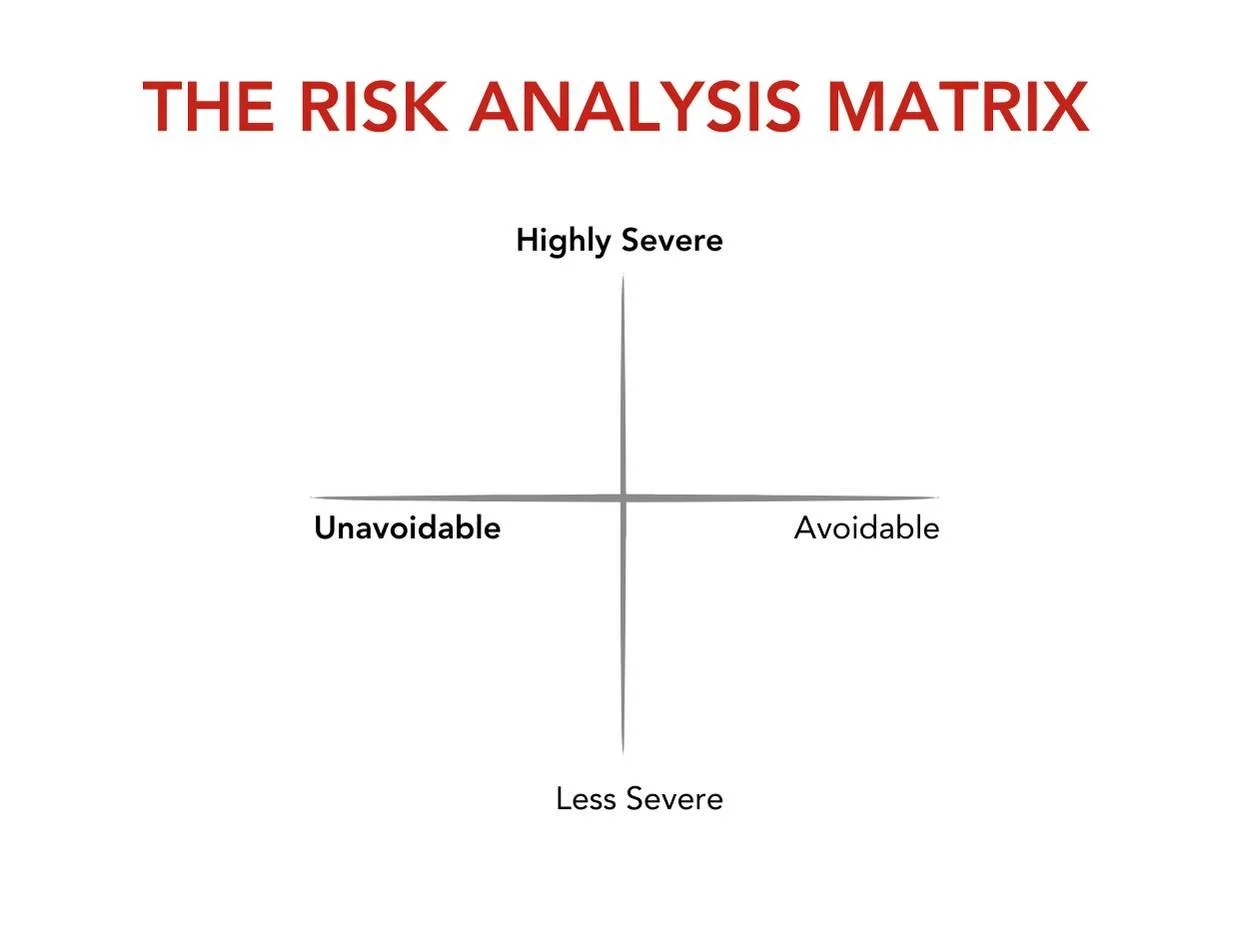
ARC's proprietary Risk Analysis Matrix
Leaders who handle multiple responsibilities and have to prioritise their work on things that require their attention- especially when it comes to risk. At the same time, you might think that there is no risk that cannot be avoided.
But some outcomes are simply out of control and cannot be prevented. That is what separates them as unavoidable from avoidable.
For example, the impact COVID had on businesses was unavoidable; your laptop hanging in the middle of an urgent task is unavoidable; a colleague leaving the team unexpectedly is unavoidable.
On the other hand, faults in your project and client delivery are avoidable; misunderstandings in the team are avoidable; the risk outcomes that are possibilities for your role and tasks- although not explicitly stated- are avoidable.
Similarly, it is a personal perspective on what you consider highly severe and less severe outcomes.
Tip: If the outcomes can be managed in a day or two, by just you, it seems like a good boundary to segregate as less severe.
Now, let’s move forward to the main question:
How do you prevent or, at least, alleviate the effects of these potential outcomes?
An ad-hoc group, aiming to make Boeing’s Model 299 more user-friendly, introduced a simple solution: a checklist.
(Find out how to make a checklist below)
This brief index card outlined step-by-step checks for the entire flight process tasks already known to pilots but often overlooked under pressure.
The checklist ensured pilots could focus on more critical tasks, avoid routine errors, and contributed significantly to the U.S. Allies’ success in World War II.
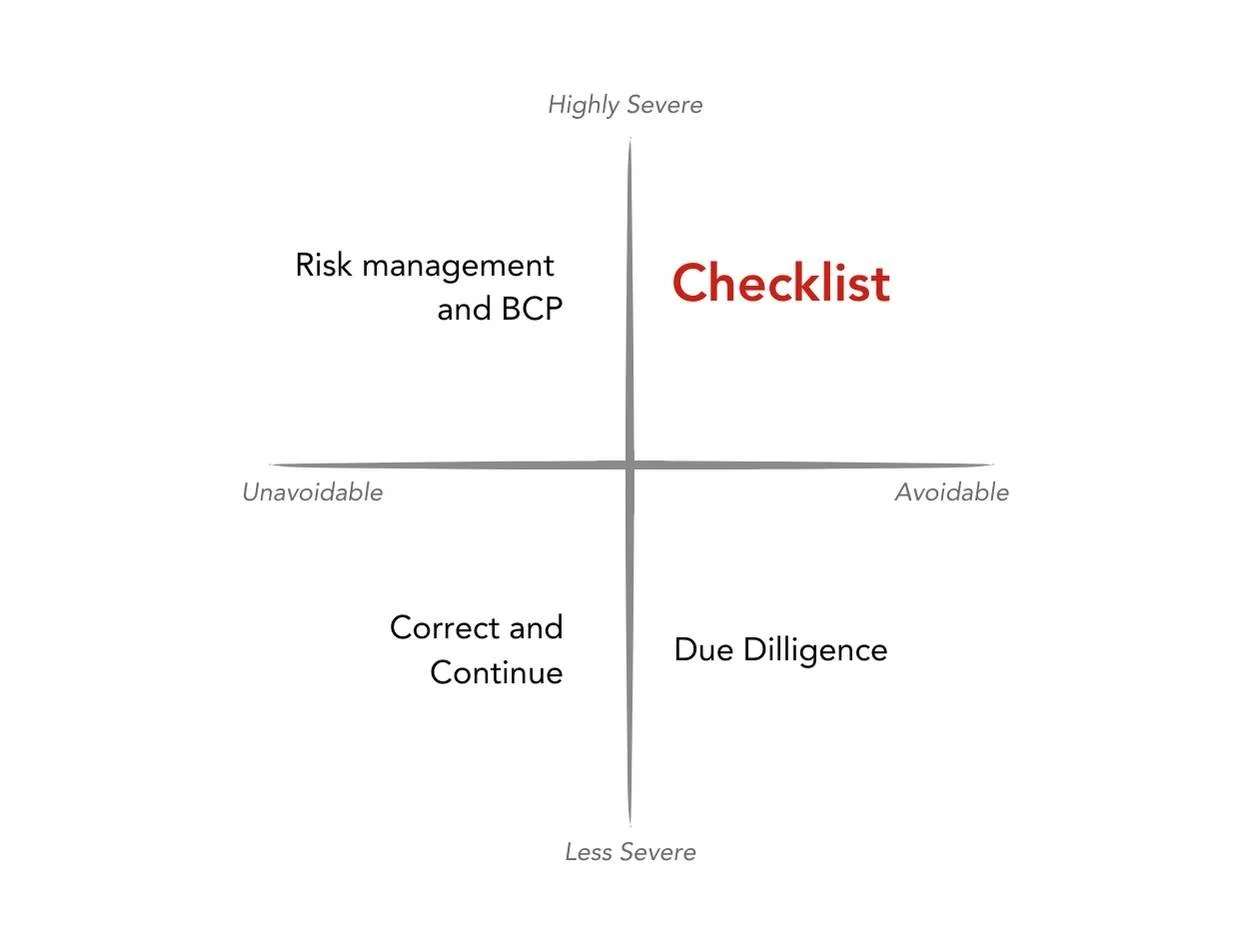
You need a 'checklist' for tasks that have highly severe risks and are avoidable.
Why does a checklist work?
Just like Major Hill, many of us have challenging tasks and pressing demands of our complex roles at our workplace.
No matter the level of expertise, there is always a possibility of overlooking routine tasks, taking uncritical, mundane tasks lightly, and skipping them.
A checklist considers the important tasks and makes them minimum, explicit and verifiable. However, in trying to install discipline and error-free results, an effective checklist does not aim to restrain the user.
Additionally, not only are checklists cost-effective, but they also help keep personal biases in check, discover potential problem areas on a larger system-level scale, and allow for a better space for feedback.
Important: A checklist is often confused with a to-do list, but they both serve different purposes. A to-do list is made to make sure you keep track of all your tasks, whereas a checklist is developed for you to deliver those tasks with high-quality and minimal risk. Read more
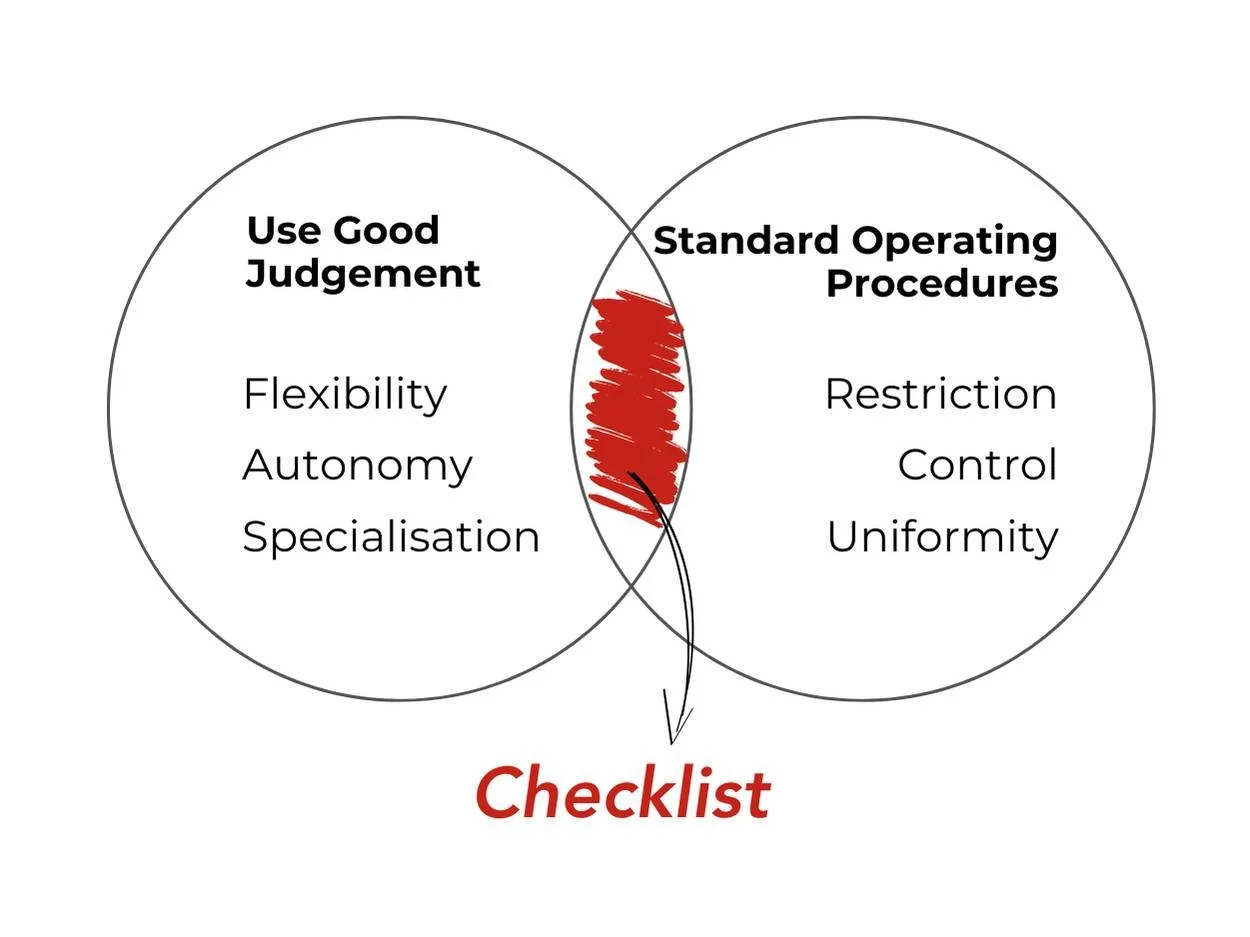
One Thing to Share
Now that you have the context about checklists set in your mind, you can share this ‘Checklist on how to make a checklist.’
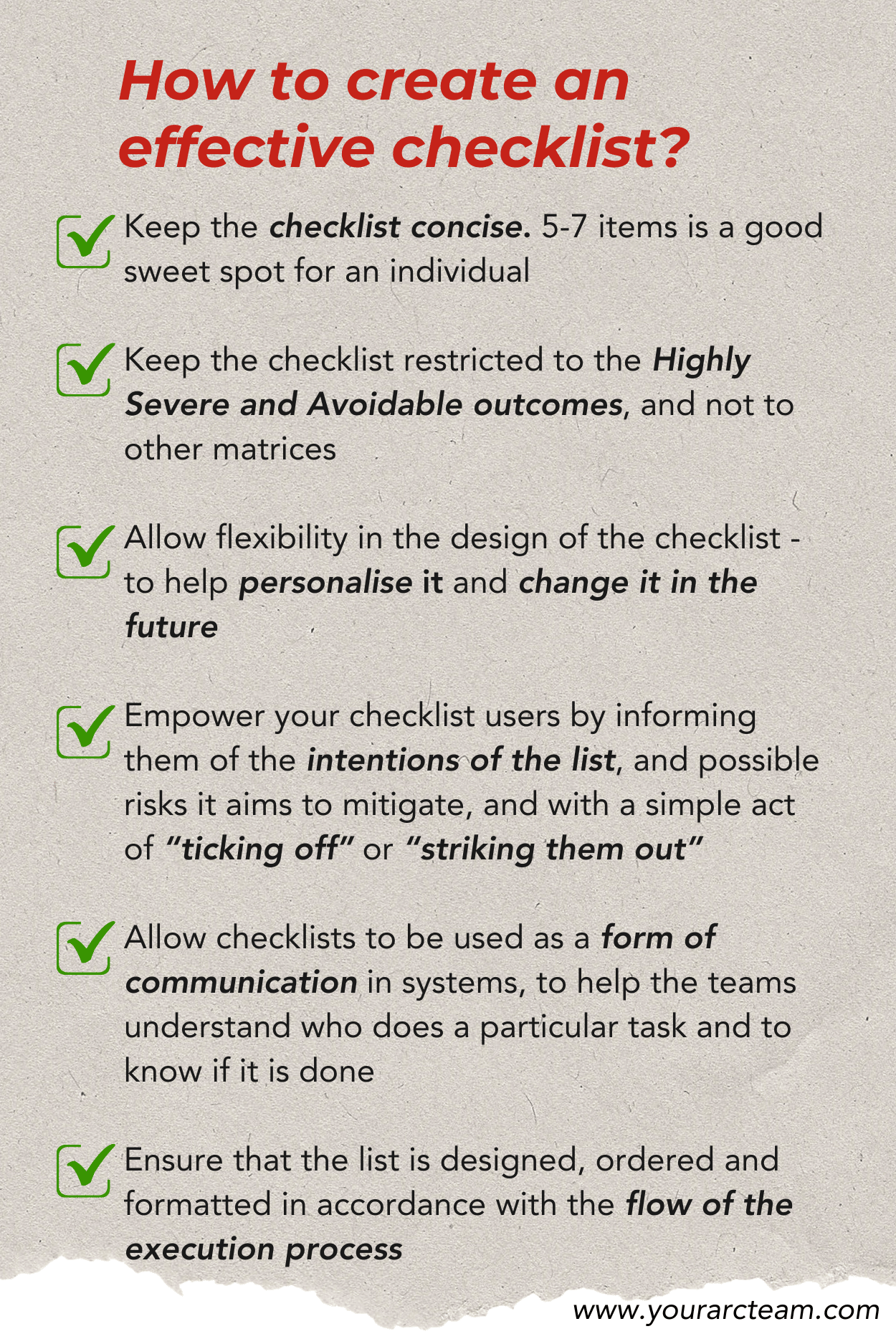
In conclusion, an effective way to avoid our Model 299s from crashing is adopting a simple checklist. It might even help us check if we’re humble and grounded enough to adopt this solution!
Tell us how we are doing, give us feedback here.