⛺️ Who you Work with Matters (And other OD Secrets)
[Founder's Note: Before starting ARC, I often asked myself: What kind of environment would I want to work in? A place that gives me full autonomy was always at the heart of that answer, and they eventually became the foundation of how we built ARC.
And much later in the second half of 2024, those lifespan graphs showing where people spend most of their time began circulating. One thing stood out clearly: we spend a huge portion of our lives at work. That made me feel it was the right moment to put into words what I believe people should look for in a workplace.
These principles have guided me while building a 25-person team and in our work with over 300,000 people across 275+ organisations.
This piece was published on 21st December 2024, for ARC's Leadership Campfire.]
Also, if you have the time, please fill out this short feedback form to let us know how we're doing. Link here.
— Adi Raheja
One Thing to Learn
Fact: You’ll spend a significant chunk of your life with your co-workers.
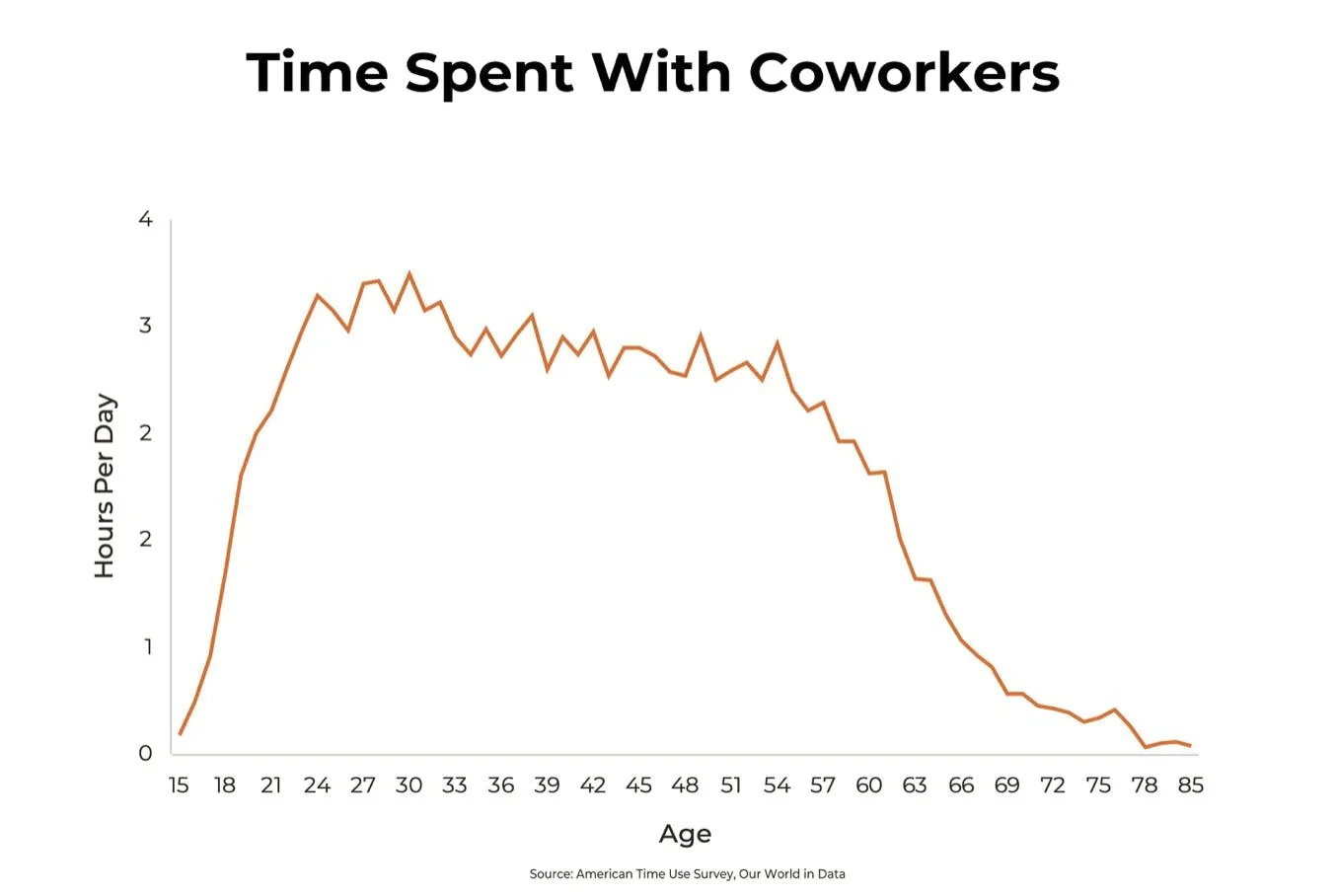
Source: American Time Use Survey Our World in Data
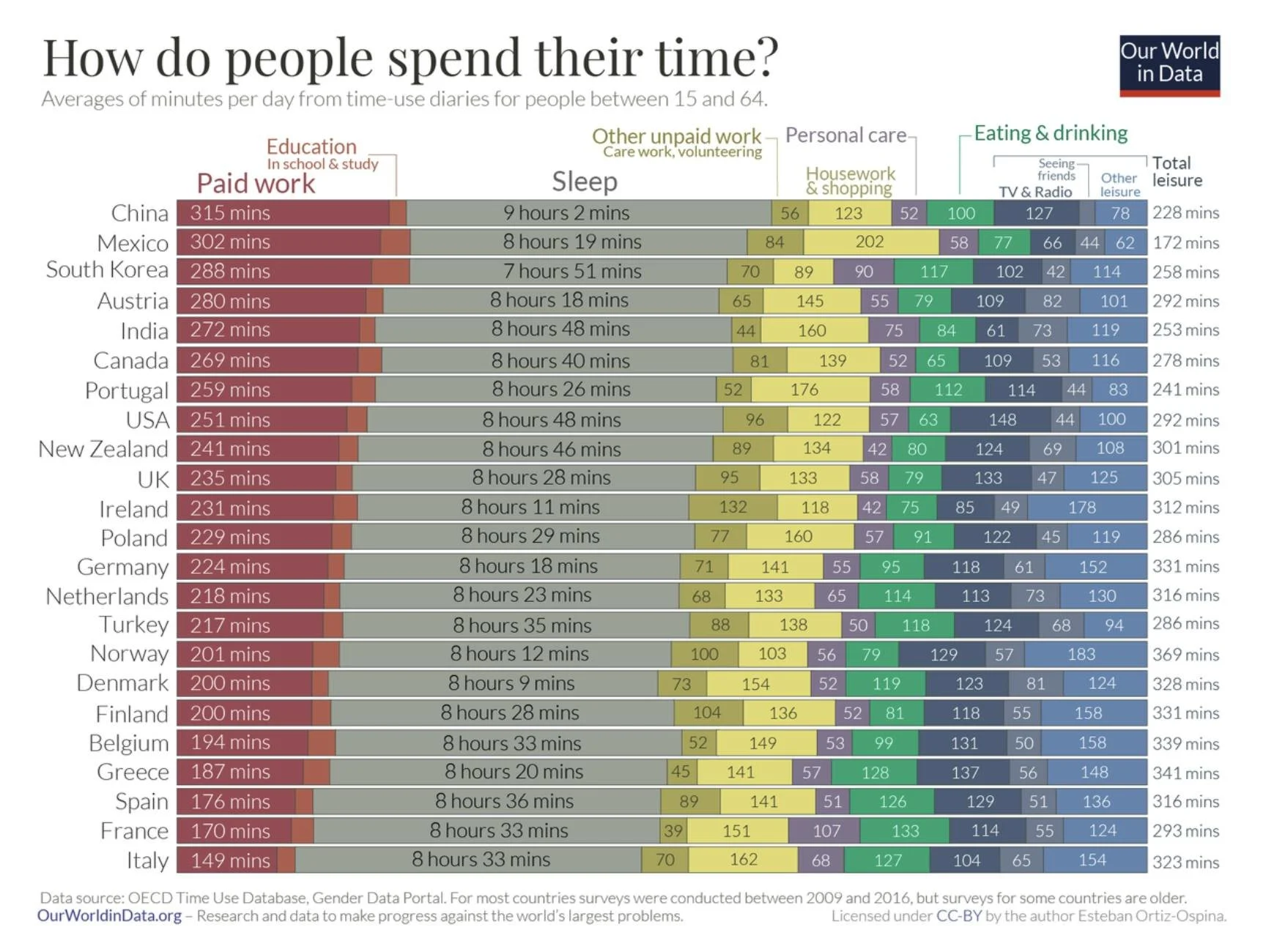
Source: Our World in Data
It might feel that we have countless weeks ahead of us. But the truth is, our working years are finite. It all fits perfectly in the image below.
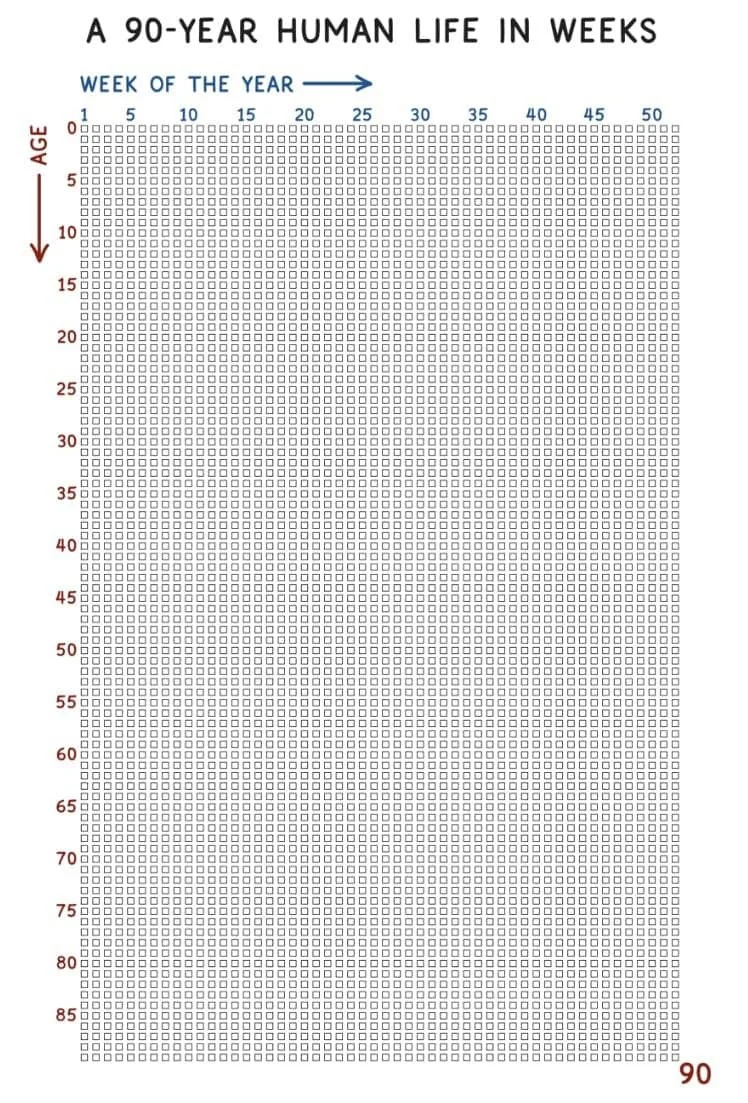
Life in perspective. Spend more time with people that matter :)
If you look at the three data points, you’ll realise that a person in their mid-20s, who plans to work until 60, has only about 1170 working weeks left.
Yes, just 1,170 weeks!
But, don’t let that number scare you into abandoning your work for a back packing trip across the globe (though that does sound tempting). Instead, let’s talk about something practical.
Where you work matters.
Who you work with matters even more.
Over the past two decades, I’ve distilled some wisdom on what makes a workplace worth your time. If you want to make the most of those 1,170 weeks, here are four things to seek or cultivate in your workplace:
Autonomy
The ability to build something
Exposure
Less constraints
How to identify these aspects?
Listen closely during conversations with potential employers or even within your workspace.
• Do they use words like “allow” or phrases like “this might fall outside your scope” too often?
• When faced with tricky questions, do they say “Let me check and get back to you” instead of addressing them head-on?
These are all signs of the aspects written above.
Every interaction with an organisation reveals its core- if you pay attention.
Through the Organisation Development (OD) Lens...
As an OD consultant, I’ve learned that observing an organisation’s physical environment can offer profound insights.
For example:
An ID card scanner outside the bathroom might hint at a lack of trust.
Company values displayed prominently at the reception could indicate the values are more to show the world and less to practice internally.
Art depicting the Mahabharata in meeting rooms. Unsurprisingly, this client was dealing with conflict during their meetings
Spotting these indicators is all about viewing the workplace through the OD lens. At ARC, our Values our linked to our Ways of Working. Sometimes, remaining true to our core, requires us to say no to an organisation.
4 things to apply and share

Tell us how we are doing, give us feedback here.