⛺️Are Gen Zs really the problem? Or just the latest target?
[Founder's Note: In December 2024, conversations about Gen Z in the workplace had been going on for over a year and two of our own Gen Z team members at ARC decided to dig deeper. They ran a social research project titled Understanding How Gen Z Learns (link below).
While that isn’t the central theme of this newsletter, here is the perspective from Aaryan, the Gen Z who looks after Branding and Strategy. His take on what it truly means to work with Gen Z today.]
Also, if you have the time, please fill out this short feedback form to let us know how we're doing. Link here.
— Adi Raheja
⛺️The Gen Z take on the Gen Zs
The other day, I was scrolling through Instagram and was hit by a wave of memes defaming their latest Gen Z target.
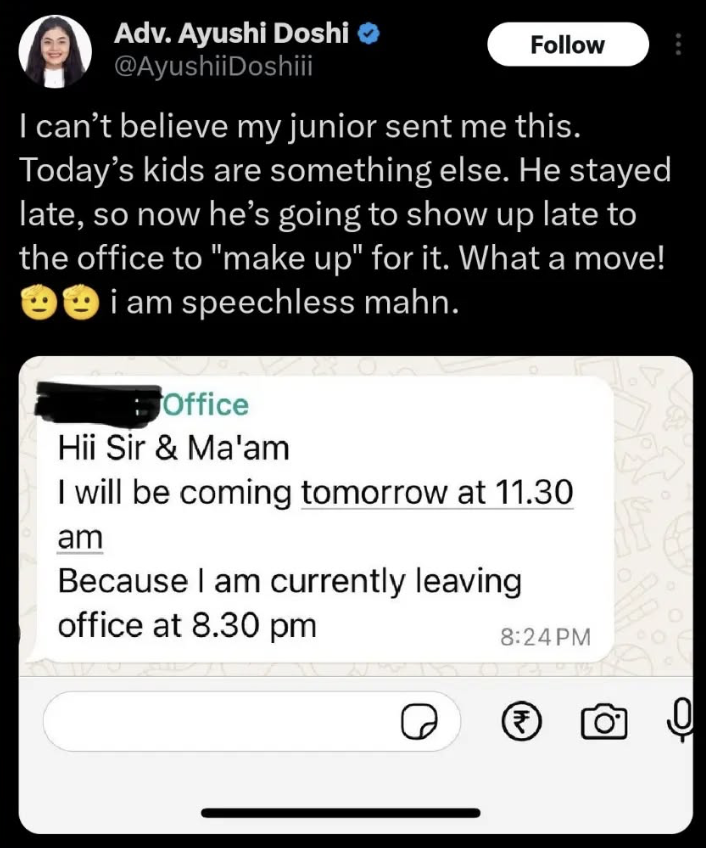
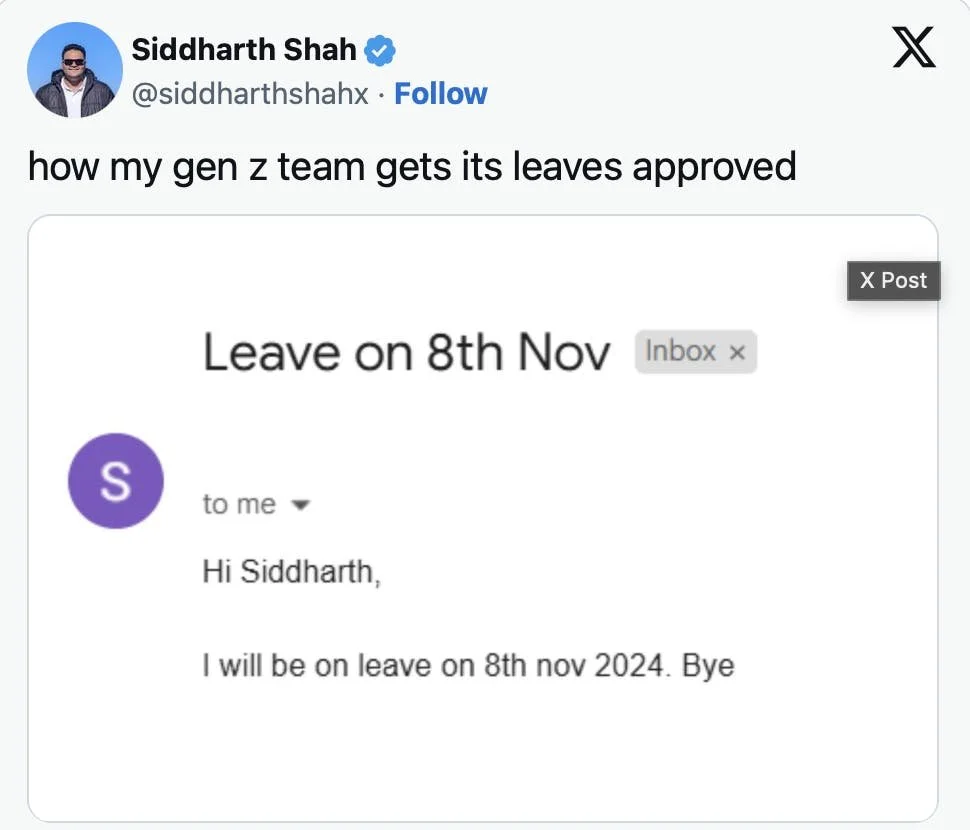

Source: 20 August 2024 | The Print
The critiques spoke about Gen Z being:“Unprofessional,” “Flaky,” “Can’t meet deadlines,” “Having an aversion to formalities.”Yikes. Feels personal. 😅
It made me wonder if the above problems are a consequence of youth or a result of our generation actually being useless. This got me thinking, and I did some digging.
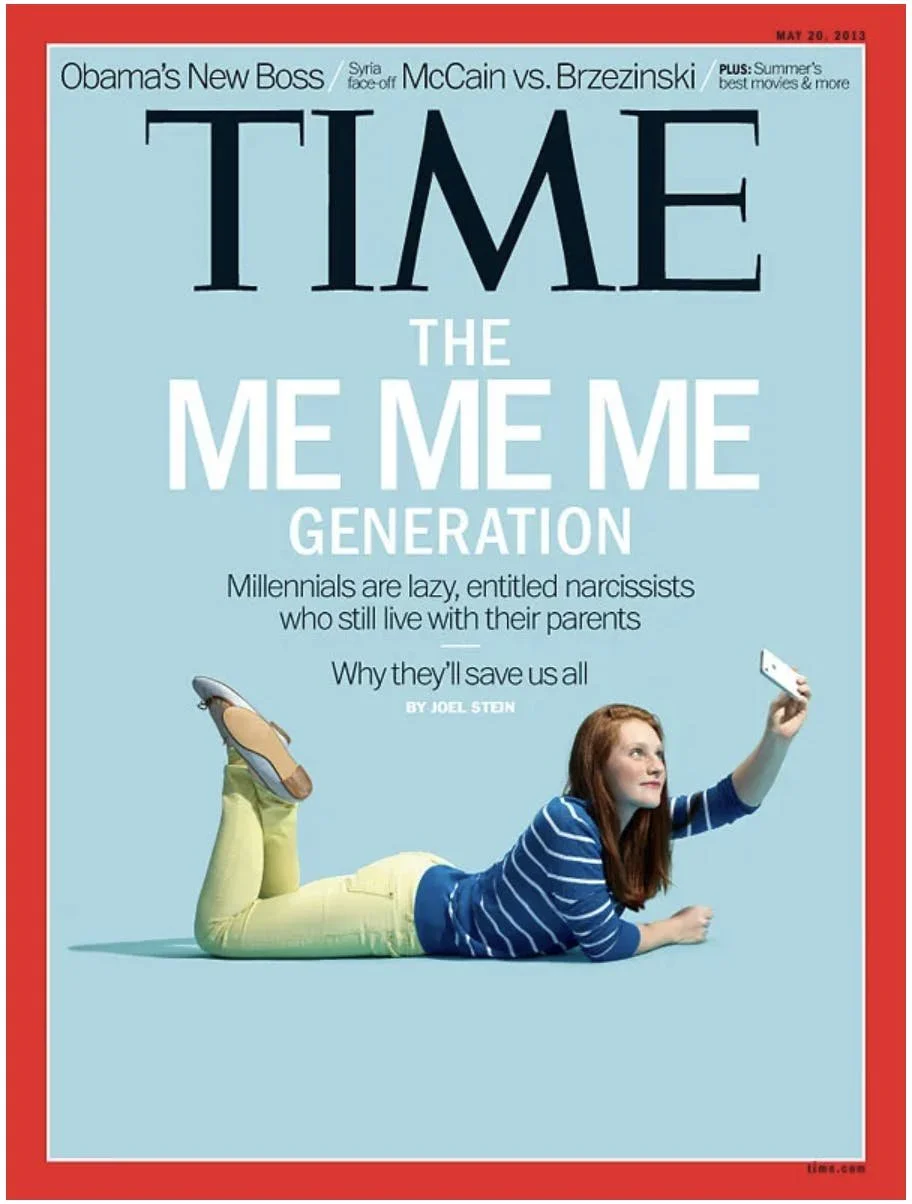
Source: Time | 20 May, 2013
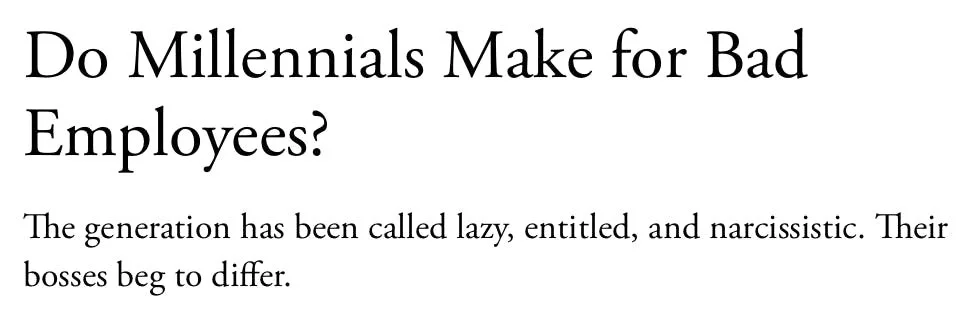
Source: The Atlantic | 30 Nov, 2015

Source: CNBC | 15 May 2014
It’s almost evolutionary: humans naturally connect with those who are similar to them. That’s how relationships and communities are built.
This phenomenon plays out beatifully whenever a new generation gets into the workforce.
(And honestly? I can’t wait for the drama to shift to Gen Alpha when they take the spotlight.)
But let’s flip the script on this “Gen Z dilemma.” Instead of pointing fingers, what if we focused on the aspect of inclusivity? Whether as colleagues, friends, or leaders, the real challenge is something else.
It is rather an opportunity for learning to work with people who don’t mirror us. Because at the heart of great leadership lies emotional intelligence. The ability to see different perspectives by being empathetic.
How can we be more empathetic as Leaders? Empathy helps in seeing things from the other person’s perspective. When we do it more often we become more accepting towards people.
So the next time your Gen Z colleague seems unusually quiet in meetings. Instead of assuming disengagement, you check in privately:
“I noticed you’ve been quieter lately. Is there something I can support you with?” That simple gesture can make someone feel seen and valued.
The learning for today? Be empathetic and accepting.
As individuals, as leaders, and as human beings. Small acts of empathy ripple into cultures of understanding.
At ARC, we leaned into this mindset while studying how Gen Z learns.
The result? A framework to Understand How Gen Z Learns.
Ready to dive in? Let’s go! 🚀
The Gen Z Learning Framework
The Gen Z Learning Framework
Here’s the tea:
What Gen Z Learners Want: Small groups, like-minded vibes, and authenticity. They want learning spaces that feel personal, dynamic, and free of hierarchy.
What Facilitators Think: Gen Z is curious, tech-savvy, and driven, but thrives when you meet them where they are.
The Sweet Spot: By aligning preferences (like collaborative environments) with teaching styles, we unlock what we call the “Optimal Learning Zone.”
This framework is your cheat sheet for working with Gen Z whether you’re running a classroom, leading a team, or mentoring the next-gen workforce. Wanna dive deeper? We’ve got you covered.👇
The Full research
Want to geek out on all things Gen Z learning?