Kaizen: Women Leadership Development Program
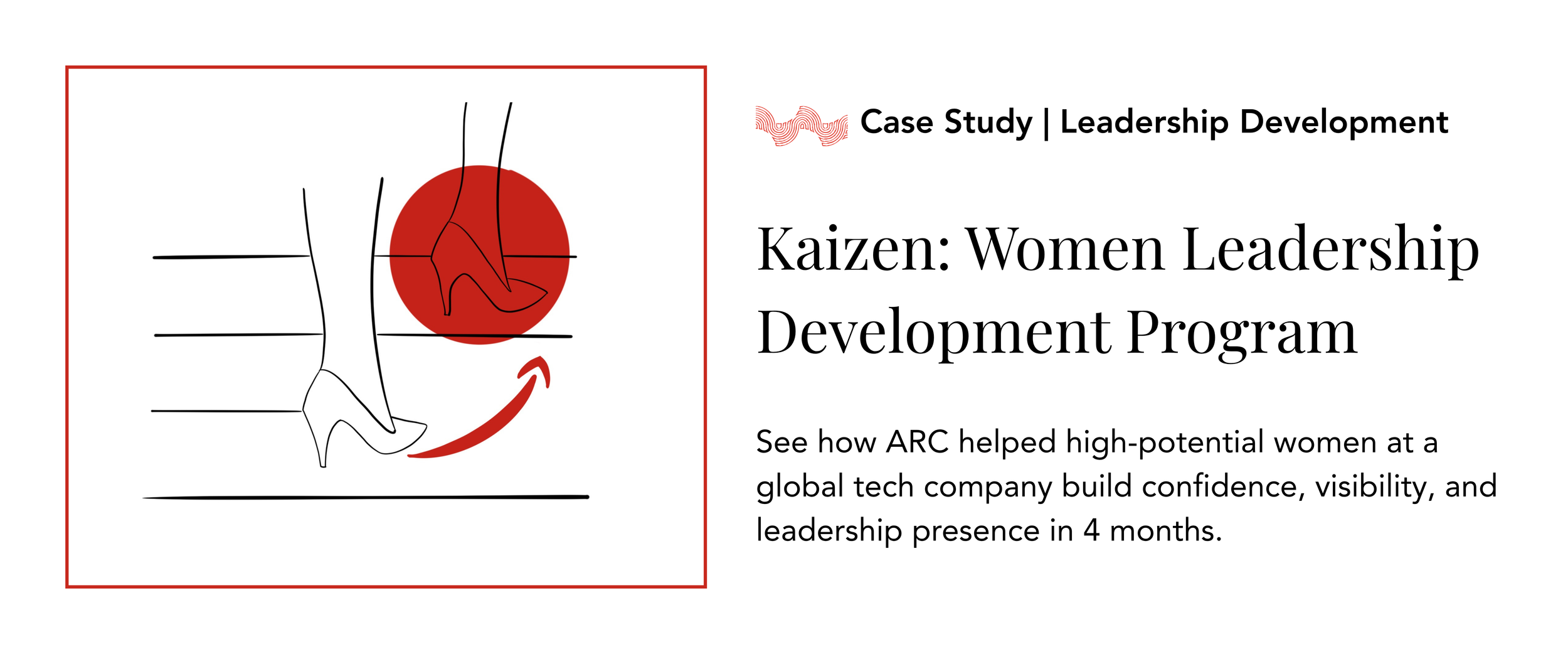
Core work: Leadership Development | Duration: 4 months
(Please note: For confidentiality reasons we don't mention client names in any of our case studies)
"How can women, regardless of title, step into people leadership with confidence?"
An American multinational technology company had identified high-potential women for a leadership development program based on their promising work and abilities to lead.
It was for those who were in formal leadership roles and for women navigating influence & ownership in their current roles.
While a leadership title wasn't promised at the end of the program, the nomination itself was enough to produce a sparkle in the eyes of these women.
The core question was:
How can women, regardless of title, step into people leadership and lead with confidence while balancing multiple roles?
The ARC Way
Instead of having a fixed solution ready for every client, the first step in our design journey is to hear the client narrative from different stakeholders.
Diving deep into what a system truly needs, becomes the foundation of any learning journey that we design.
After conducting thorough research, a 5-month journey was planned with following areas of work:
Self Awareness
Growth Mindset
Gaining Visibility
People Management
Stakeholder Management
Strategic Thinking
This was an initiative to champion the cause of women in finance. An industry otherwise dominated by men. This initiative defied industry norms. It carved a path towards diversity and inclusion.
To facilitate this journey, we had to empathise with the fact that the journey for a woman to become a leader is not just a corporate journey but a personal one too.
A woman has to overcome the doubts in her head, the voices coming from society; it is personal.
All this needed to be addressed first up through a module designated to ‘Knowing yourself as a leader’. The art-based sessions did wonders in opening the participants up.
Minimum intervention, maximum impact
The book club: Through Sally Helgesen and Marshall Goldsmith's "How Women Rise", the learning partner ran a weekly e-bookclub to reflect on the book chapters. The book helped participants identify possible disablers or habits that don’t serve them. And they were given contextual tips on how they can advance their career from this point onwards.
What is the role of a Learning Partner at ARC?
The core of the Learning Partner is to ensure learner effectiveness, transfer, and intervention effectiveness.
A proprietary role at ARC that involves working hand in hand with the SMEs, Client and Participants to execute with impact.
They also play a huge role in managing a project completely.
Group Coaching: Unlike training, which is content-driven, group coaching is a facilitated development where the coach works with a small group of individuals or teams to help them reflect, learn and grow together. This method was used to create a safe space for them to share their challenges and coach them on the way forward.
Some of the other levers that helped bring in a shift were:
1. Sociogram and push and pull strategy
2. Strategic thinking using ‘6 thinking hats’
3. Personal branding and Radical Candour
A Multi-Modal Approach
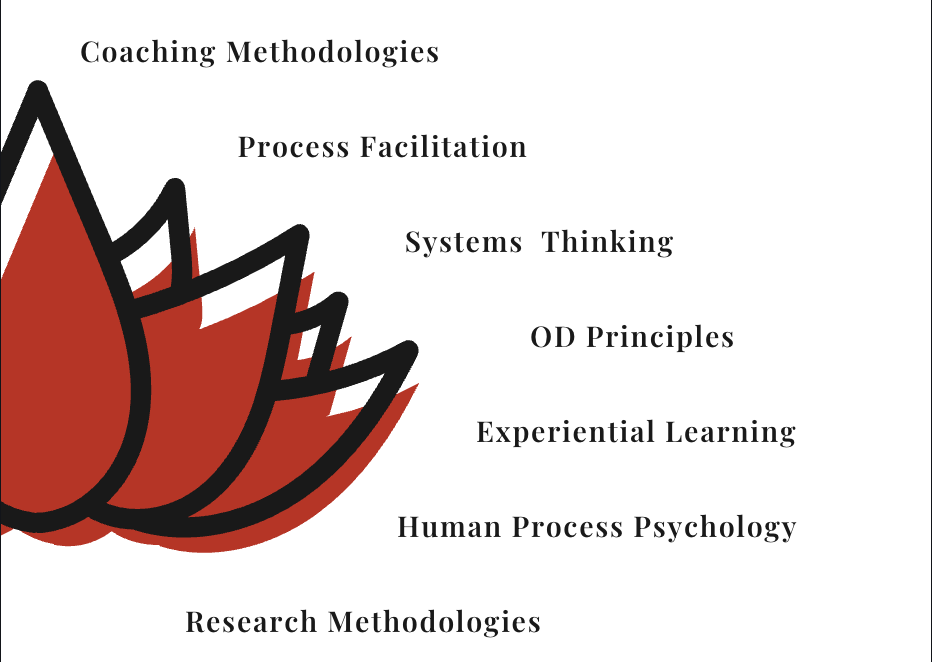
ARC never has and never will be married to one methodology of bringing in change. By using a multi-modal approach, we create different blends of existing schools of thought to bring a change in human behaviour.
Visible impact from Day one for a company with a 'Always Day One' mindset
What shifted?
Improvement in efficiency: Manual interventions became more accurate and an increased accuracy in financial reporting was seen.
Structural changes: A dual accountability system (created primary and secondary owner) built in ownership which improved goal delivery. Additionally, a better escalation process was created within the tech team.
Drastic decrease in VOCs: 12 to 2 within a few months
Mindset shift: The participants started looking at the bigger picture, setting long-term goals while having a future orientation instead of just tactical planning (i.e. detailing specifics, short-term aims, and having a present-orientation).
Systemic Problem Solving: They are now able to look at the root causes of the issues rather than solving them at a surface level.
The program went deeper than performance metrics.
Participants reported being able to navigate their multiple roles (personal and professional) with greater ease, invest in personal growth, and regain confidence in pursuing long-desired skills.
2 participants also got promoted to the level soon after the journey.
Importantly, the intervention’s design with women SMEs leading the journey created a safe, empathetic space.
So much so that even now, the WhatsApp group serves as a fond memory for everyone who was part of the initiative.
As one participant noted, “It helped us embrace the fear of the unknown.”
The evening the program came to an end.
With journey certificates, trophies and learning material in hand. The smiles of these participants were magical. Their smiles were a promise that they are ready to diligently work towards their ambitions.
Oh, only if we could tell people that we were in the business of getting people to smile with passion and ambition, life would have been so much easier :)