Flying Together as a team
(Please note: No client names are mentioned due to confidentiality reasons.
Prelude
In the summer of 2009, Ravikant, a young engineer, joined the GET batch Chennai plant of the world's biggest manufacturing organisation. Little did his colleagues know then that he would become one of the biggest positive disrupters in the history of the plant.
Ravikant had a passion for engineering. A man of few words was purely red energy dominant (know more about Insights colour profile). His laser-sharp task focus and ability to innovate got the attention of the plant's management. He learnt a lot, worked a lot and created many of the processes in the plant. He was noticed, rewarded and promoted.
The Challenge
He was soon moved to the centralised engineering department which served the plants across locations. Most of his colleagues were 5+ years senior to him. He learnt from them through observing, analysing and challenging the norms. The only thing that people said was that he was strong-headed and argumentative when it came to the engineering approach.
In 2018, when the existing leader, a French expatriate moved back to France, the global leadership team was looking for a successor. They thought that there was no one better than Ravikant to hold this position. And it was officially announced. Nobody at the Global HQ forecasted that it would be the beginning of something bigger and unexpected - team conflicts!
A couple of seniors in the team felt that they deserved the position better as they were more senior and had given more to the organisation. Ravikant was young, with just 9 years of experience and lacked team management skills. They provoked conflicts between the plant manager and Ravikant.
Few other members felt that Ravikant was very direct and demanding which was strikingly different from the earlier boss. They were so used to the more polite and tolerant leadership style of the French expat that weren't able to adapt to this change. Ravikant set deadlines and held people accountable for finishing the tasks. While some young engineers who joined the team recently admired him for his engineering acumen and supported Ravikant in his initiatives. A well-bonded team turned into small groups - a camp that supported one of the strong contenders for the role, another one which didn't support either Ravikant or the contender and also a small group of engineers who supported Ravikant.
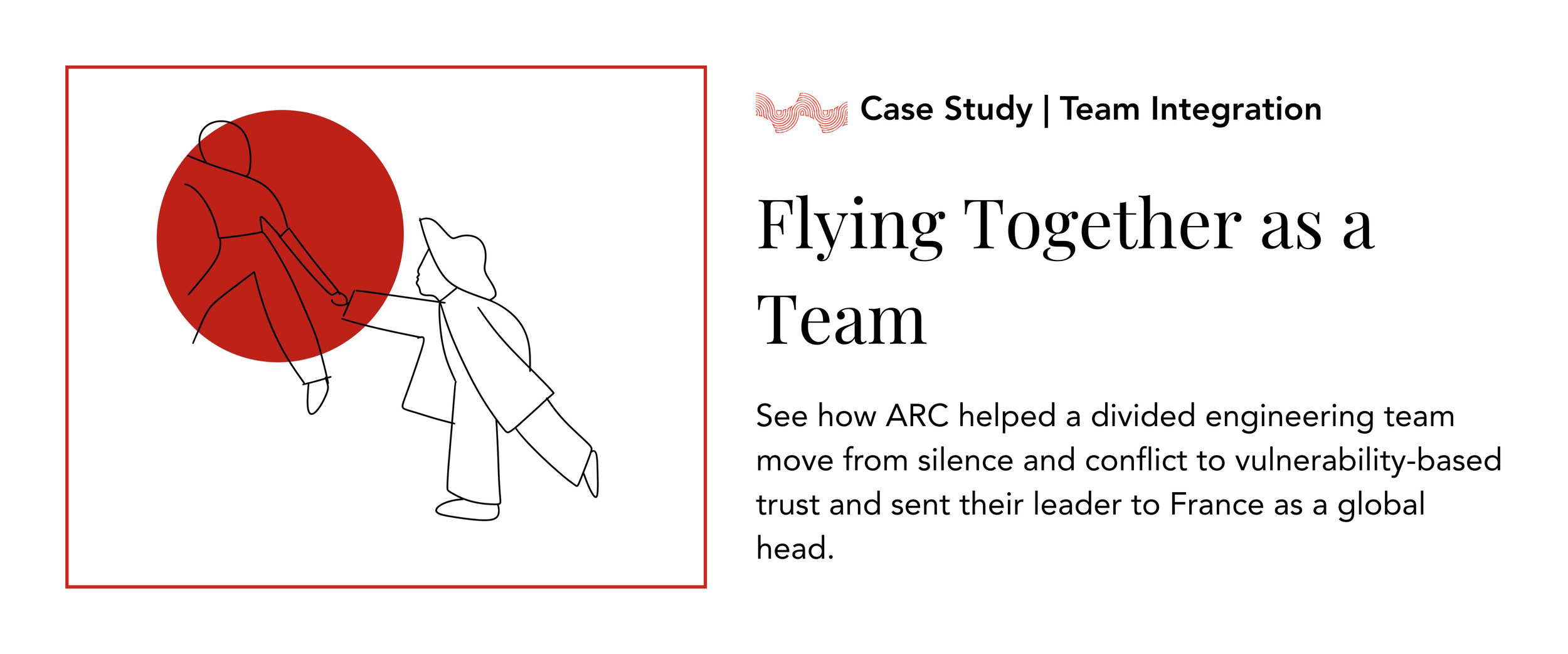
The performance started going down, meetings became louder and the number of escalations about Ravikant went up. Things weren't looking good. In an internal employee satisfaction survey in 2021, he scored low on all fronts. Ravikant took the help of the internal HR, Gopi to facilitate a mini workshop with the team to smoothen the creases within the team. The workshop was bombed due to loud conflicts and nothing meaningful was achieved from it.
In January 2022, Gopi approached ARC. He felt that an external, neutral expert would possibly be able to handle this better. He knew that this was the last opportunity to bring change to the Engineering team. If this didn't work out, Ravikant would have to leave the team or the organisation. During the first meeting with ARC, Ravikant came across as agitated, yet humble enough to acknowledge that he could have handled the situation better. He had a strong intent to bring change.
For ARC, this was sufficient enough to begin working with the team.
ARC recommended a two-stage integration journey for the team along with individual coaching for Ravikant. The team integration journey was sensitively curated while being aware of the risks involved in working with the team. The first workshop was planned at an outside location. The pre-workshop communication wasn't taken in the best way. It was met with gossip, apprehensions and resistance from the team.
The D-Day!
Day 1
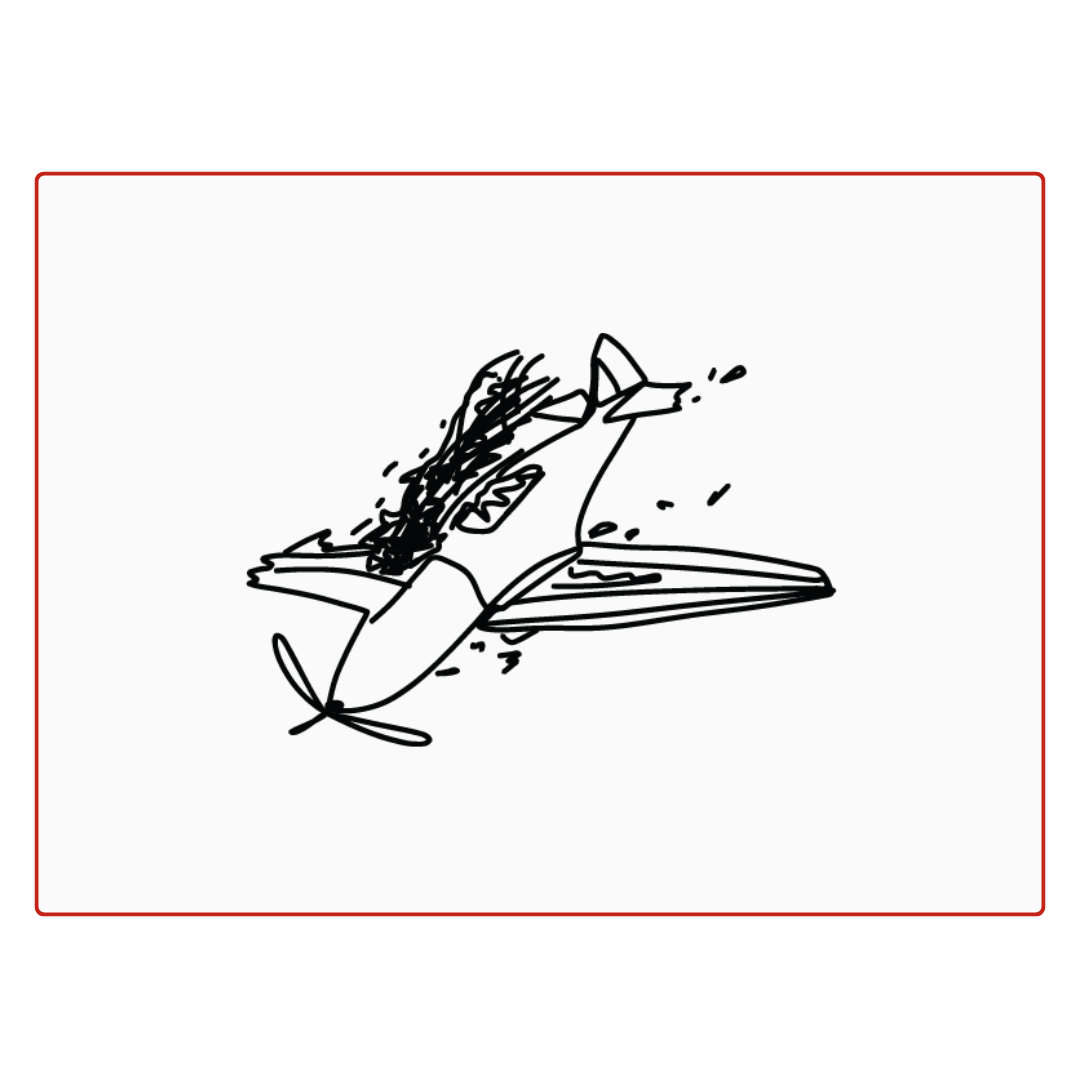
It was raining off-season in Chennai on 17th March 2022. The flight got delayed and Adi, ARC's facilitator reached the venue 15 minutes late. He noticed that Ravikant and his team were already in the room and SILENT! The team members sat there as if they didn't know each other. They didn't talk to each other. There was just silence.
The workshop began with lightening the team up through some energisers and icebreaking conversations. The team then underwent a small psychometric test to understand themselves and each other better. They discovered how they are similar or different to each other. The environment in the room became of ease and curiosity. Post lunch it was time to enter into something deeper. Adi facilitated a world cafe in which the team openly shared their concerns, took ownership of the culture and created agreements for a healthier team environment. The team left for the day being more cohesive and energised. Day two would test the relationship that they built during the day.
Day 2
What humans fear the most is to be vulnerable in front of others. But is also the vulnerability that builds trust. Day 2 began with the open circle, where each person openly shared feedback with others, including Ravikant, in an open forum. This piece was sensitively handled by the facilitator to ensure that the exercise didn't damage the cohesion already created during Day 1. The exercise which lasted for 2.5 hours was then followed by a peer coaching exercise to support each other through the journey. Once rivals, now the members became partners with each other for growth. The day ended with a commitment to meet every month to review the agreement.
Ravikant's coaching lasted for 6 months. While the team lived up to the commitment of keeping their agreement, of meeting every month, Ravikant was working on his leadership style to adapt to different working styles in the team.
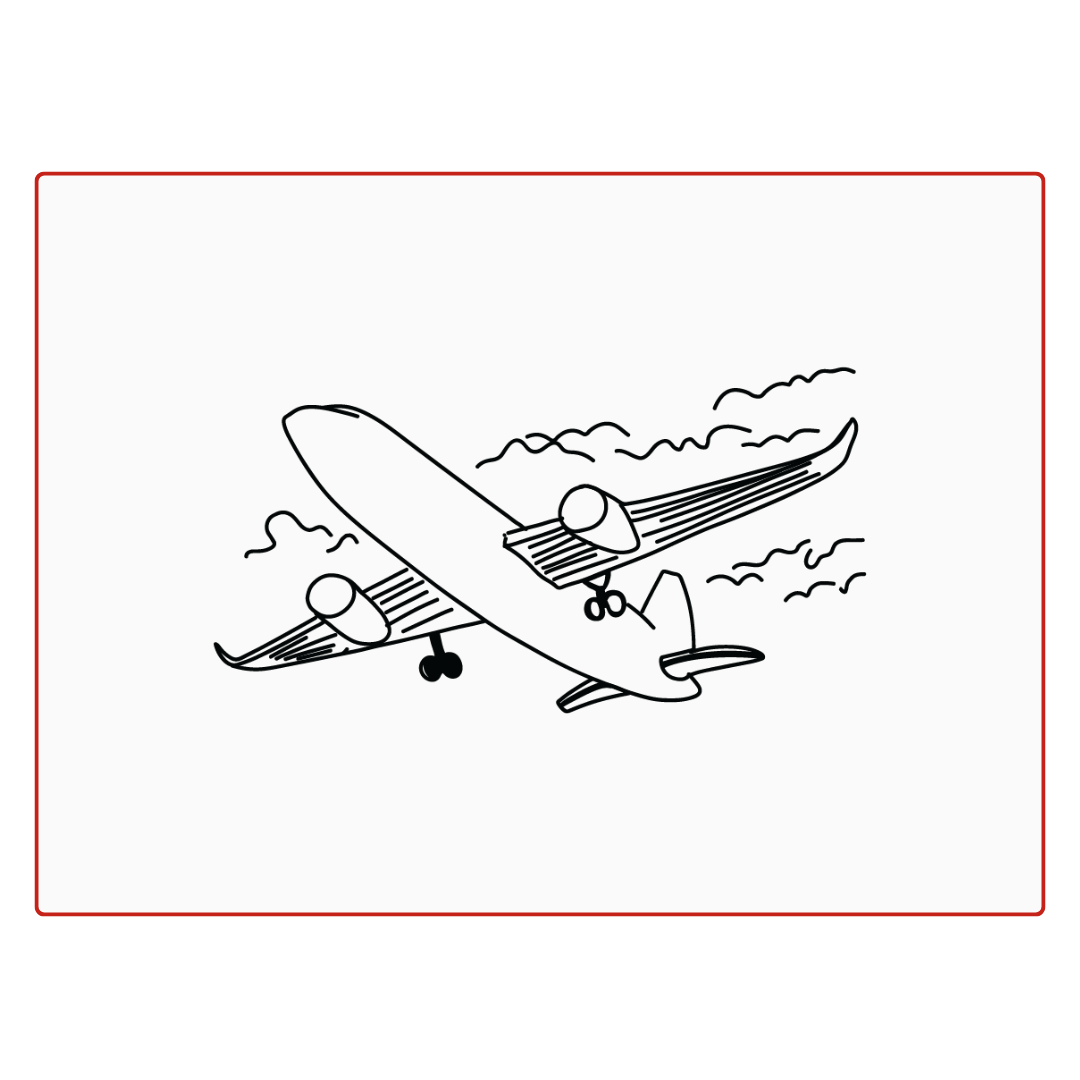
A year later, in 2022, the employee survey showed a significant positive change in results. The business impact was so huge that Ravikant was moved to France as a global head of engineering, now steering engineering projects for all centres across the globe.
Conclusion
“More than mere team-building activities, it is vulnerability-based trust that fuels great teamwork.”
Open conversations, commitment to the team's culture and belief in leadership are foundational elements of teams cohesiveness and growth. ARC specialises in team integration journeys and has helped hundreds of teams to build healthy relationships and become more effective. The above case real-life study illustrates one of the methods of team integration. There are numerous other ways in which this can be achieved based on the team's narratives.