Your values are your compass

You are not difficult. They are not difficult.
Ever found yourself in a conflict and wondered why it’s so hard to find common ground?


Explore More
The Value Orientation Assessment has answers for you.
You already know what you value.
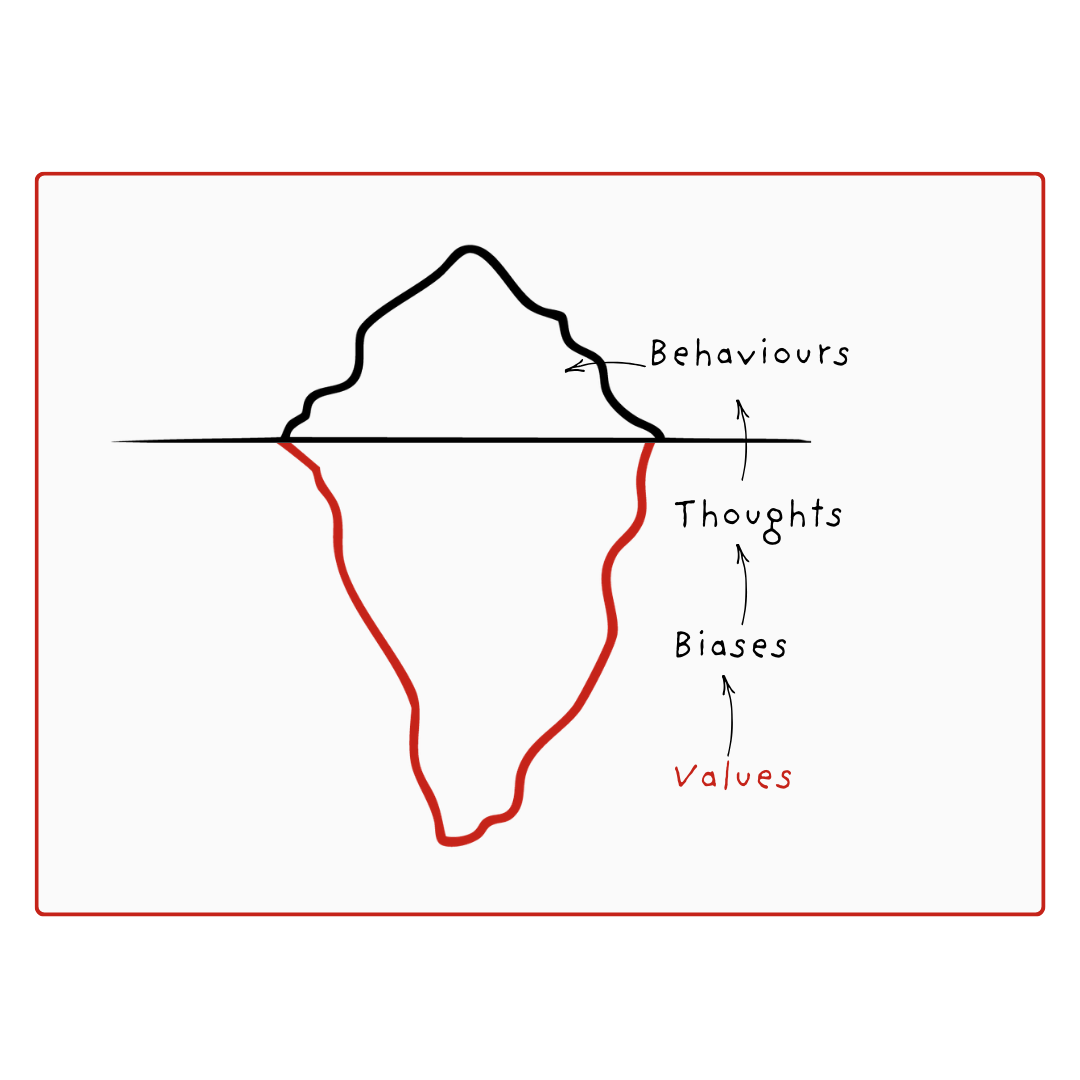
Your values aren't just what you believe. They're the lens through which you see everything.
There are hundreds of values in the world - honesty, ambition, loyalty, freedom, security, creativity. Most of us can name a few that feel like ours.
Values are those mental models that tap into the deep fundamentals and let us know about the mental models of an individual that then define how they are likely to behave across events in their lives.
However, there are probably hundreds of values currently existing in the complex, intricate lives built by humans. Values still define what the individual cares about, but value orientation tells about the underlying motivations that come with a specific value.
Everyone is born with an internal compass that leads them towards a specific direction in life.
Value Orientation Assessment finds that compass.

What finding your compass actually gives you.
The report won't give you a label. It'll give you your north.
These values orientations aren't invented categories. They are universal symbols and patterns passed down to generations as an imprint of all human experiences. Much like genetics, these are some of the deeper factors of the human iceberg model that influence human personality and behaviour on very fundamental, unconscious levels.
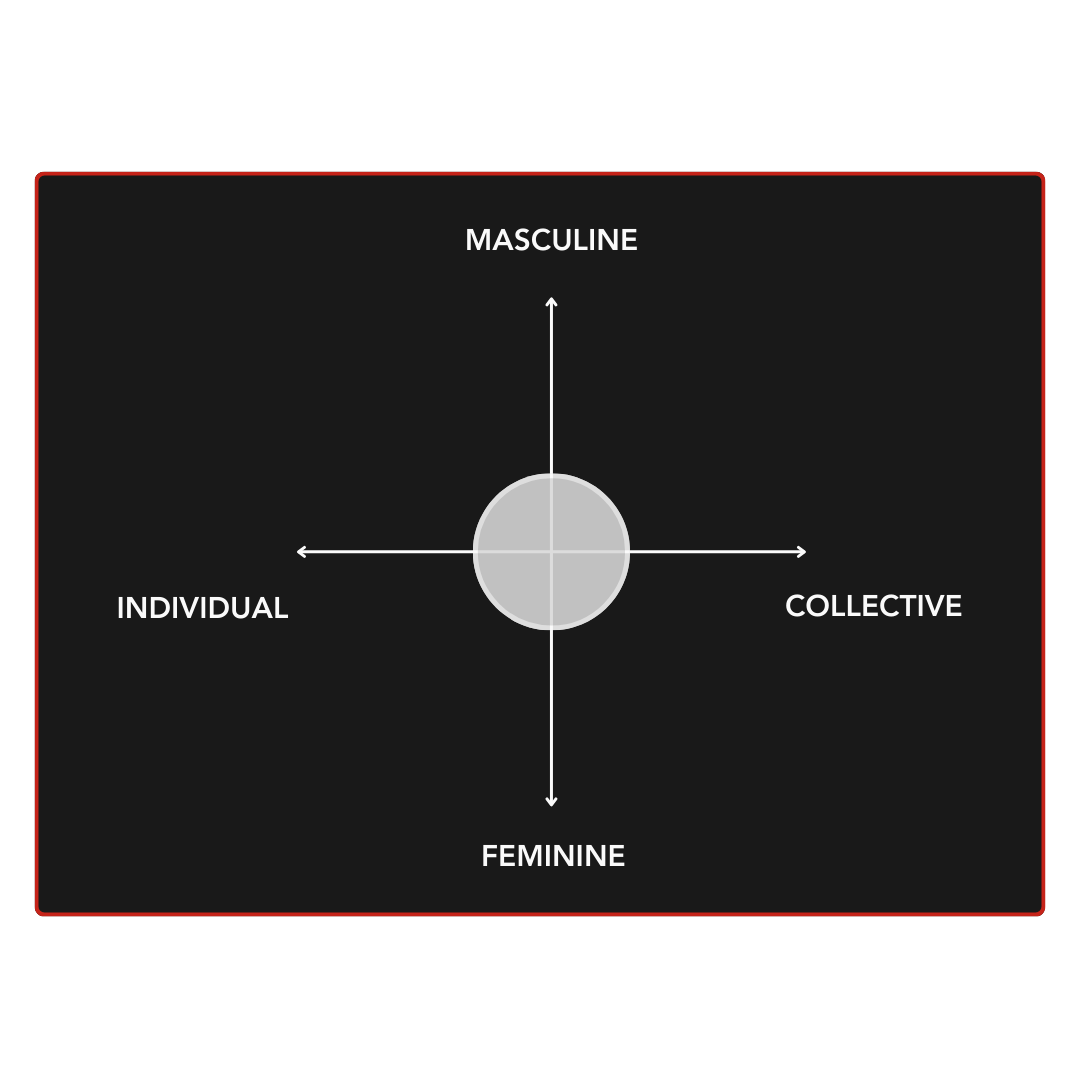
Your value orientation emerges at the intersection of two things - how you define yourself, and your drive towards the environment
Self Concept
It explores the way individuals of an organisational culture view and think about themselves. It sees whose interests are served when individuals hold certain core values. It not only encompasses individuals' self-concept, but also emotions, cognitions, and the nature of relationships as a result of that self-concept.
Individualistic Self-Concept focuses on defining oneself as an individual and one's closest associations.
They believe in prioritising personal goals and achievements rather than the larger group.
Collectivistic Self-Concept focuses on defining oneself as belonging to a larger group.
They believe in prioritising group goals and cooperation rather than personal desires.
Value Drive
It is the energy behind individuals' tireless efforts towards their environment. These efforts guide an individual towards what is considered good and desirable. Since these efforts spent at a core level, they also stem from our unconscious.
Masculine Drive strives towards direction, purpose, and action-orientation, i.e. the function of logic and reasoning.
The end goals lie in being the best, pursuing the right path, and finding the one solution that can fit all. In short, masculine drive is the urge to be the “doer” upon the environment.
Feminine Drive strives towards nurture, support, flexibility, and fluidity, i.e the function of relationships.
The end goals lie in being receptive or adaptable, and holding capacity for love and connection. In short, feminine drive is the urge to be adapt to what’s “done” or happening in the environment.
And at the core of your conflict - both of you are simply heading towards different quadrants.
Read More…